Journal:  Camelot Theater

Statistics
Number of Pieces Unique Brick Types Number of Lights Mass (Pounds) Size (Inches) [LxWxH]
17258 710 68 40.82 33.9 x 31.6 x 11.9
Estimated Cost to Build
Bricks Lighting Supplies Display
$3370 $ 575 $ 250 $ TBD *

* Dependent on public art acceptance, installation location, display type, and other factors.  Values can range from $500 to >$3000.

Funding
Phase 1 - Build and Lighting Phase 2 - Public Display
$4195 Not Activated Yet

Journal:  Camelot Theater

Statistics

Number of Pieces:  17258

Unique Brick Types:  710

Number of Lights:  68

Mass (pounds): 40.82

Size (inches LxWxH): 33.9 x 31.6 x 11.9

Estimated Cost to Build

Bricks:  $3370

Lighting:  $ 575

Supplies:  $ 250

Display:  $ TBD *

Funding

Phase 1 – Build & Lighting:  $4195

Phase 2 – Public Display:  Not Activated Yet

* Dependent on public art acceptance, installation location, display type, and other factors.  Values can range from $500 to >$3000.

[Click image for zoom details]
The original Camelot Theatre in Palm Springs was a mid-century, purpose-built cinema constructed 1966–1967 at the Palm Springs Shopping Center (today’s Palm Springs Cultural Center site, Theater #1, at 2300 E. Baristo Rd.). It was designed by the Los Angeles firm Mayer & Kanner (architects Robert J. Mayer and Charles Kanner) and trade coverage during construction described it as an “ultra-modern” new house being built for Metropolitan Theatres Corp.

The theatre opened on February 4, 1967, originally as a single-screen, roughly 625 seat auditorium and at an opening cost reported around $750,000. The first film shown at the Camelot’s debut was Doctor Zhivago, presented as a benefit for the United Fund, with the opening event hosted by Sherrill Corwin, then president of Metropolitan Theatres (the chain that built/operated the venue).

A big part of Camelot’s reputation was technical ambition. Architectural documentation notes it was equipped with a Dimension-150 (D-150) screen (a large-format curved-screen presentation system) and that the screen itself was fabricated in England; contemporary summaries also describe the venue as “state-of-the-art,” built to standards claimed to match only a handful of U.S. theatres at the time. Earlier construction reporting likewise emphasizes its very large screen footprint for the era (reported as 76×32 feet during construction).

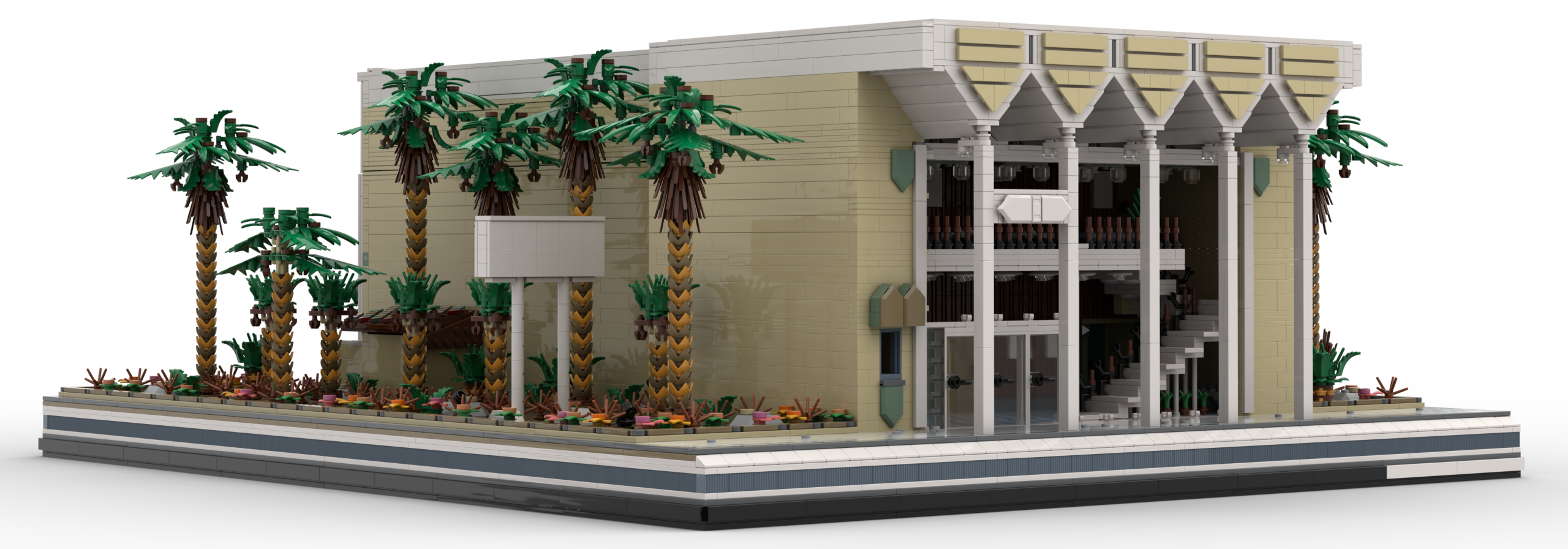
Special features went beyond projection. Construction coverage and later architectural records describe an exterior finished in solar glass and ceramic tile, plus an upper level with lounges and a mezzanine/art gallery—a “night out” design that blended cinema with a gallery-like social space. Interior design was credited in trade coverage to Ben Mayer Associates, and the building’s signature façade (with tall, repeating geometric bays) became a recognizable piece of Palm Springs’ late-1960s commercial modernism.
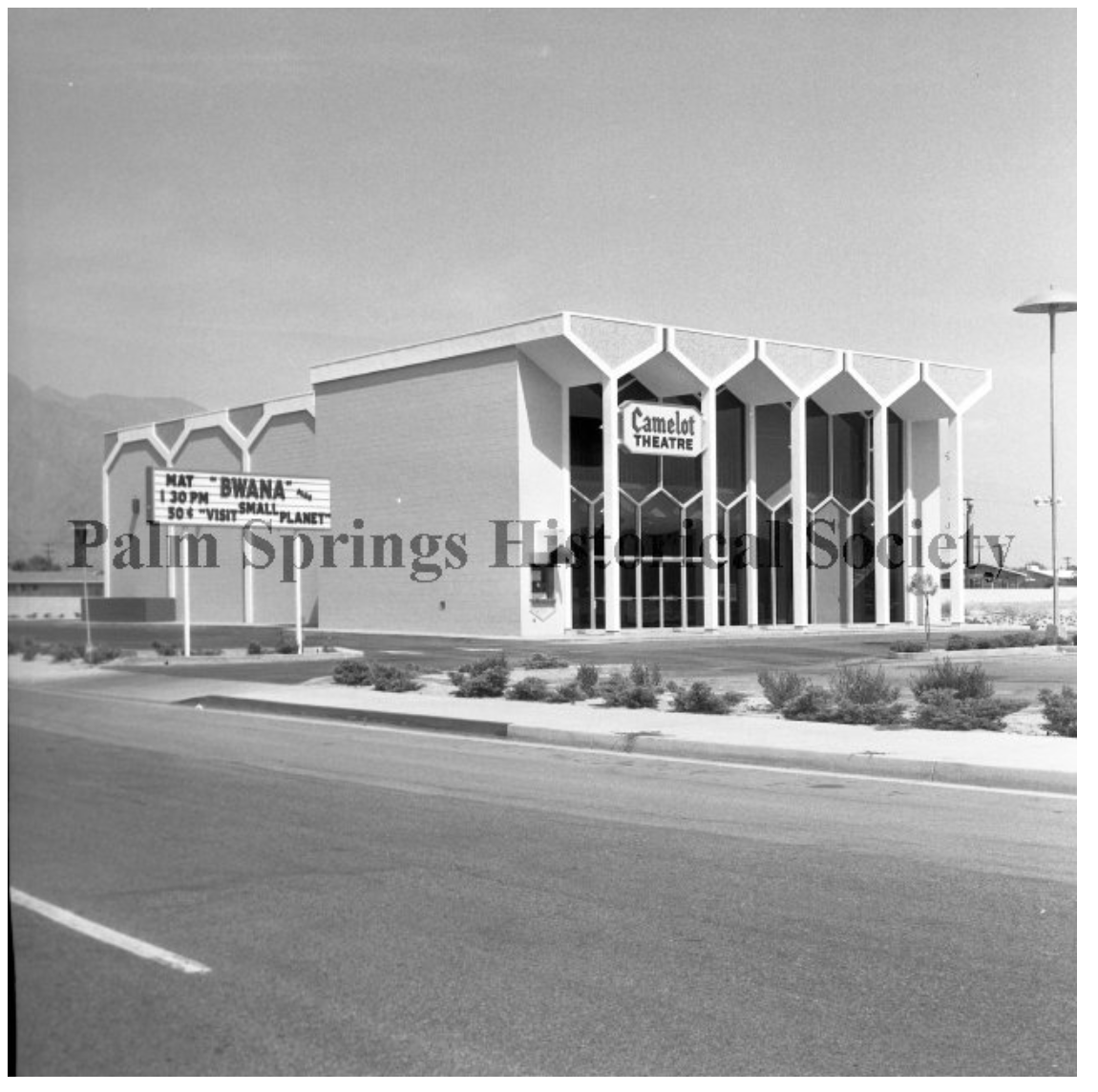
Mayer & Kanner was a Los Angeles–based architectural partnership led by Robert J. Mayer and Charles Kanner, active primarily in the 1960s and known for designing modern commercial and entertainment venues during a period of rapid suburban and cultural expansion in Southern California. Their work reflected the era’s fascination with bold, forward-looking design, often emphasizing clean modernist lines, dramatic interior spaces, and the integration of new building technologies. While the firm did not achieve the widespread name recognition of some mid-century residential architects, its projects stand as solid examples of how modernist principles were successfully applied to large-scale commercial and cultural architecture in the postwar era.

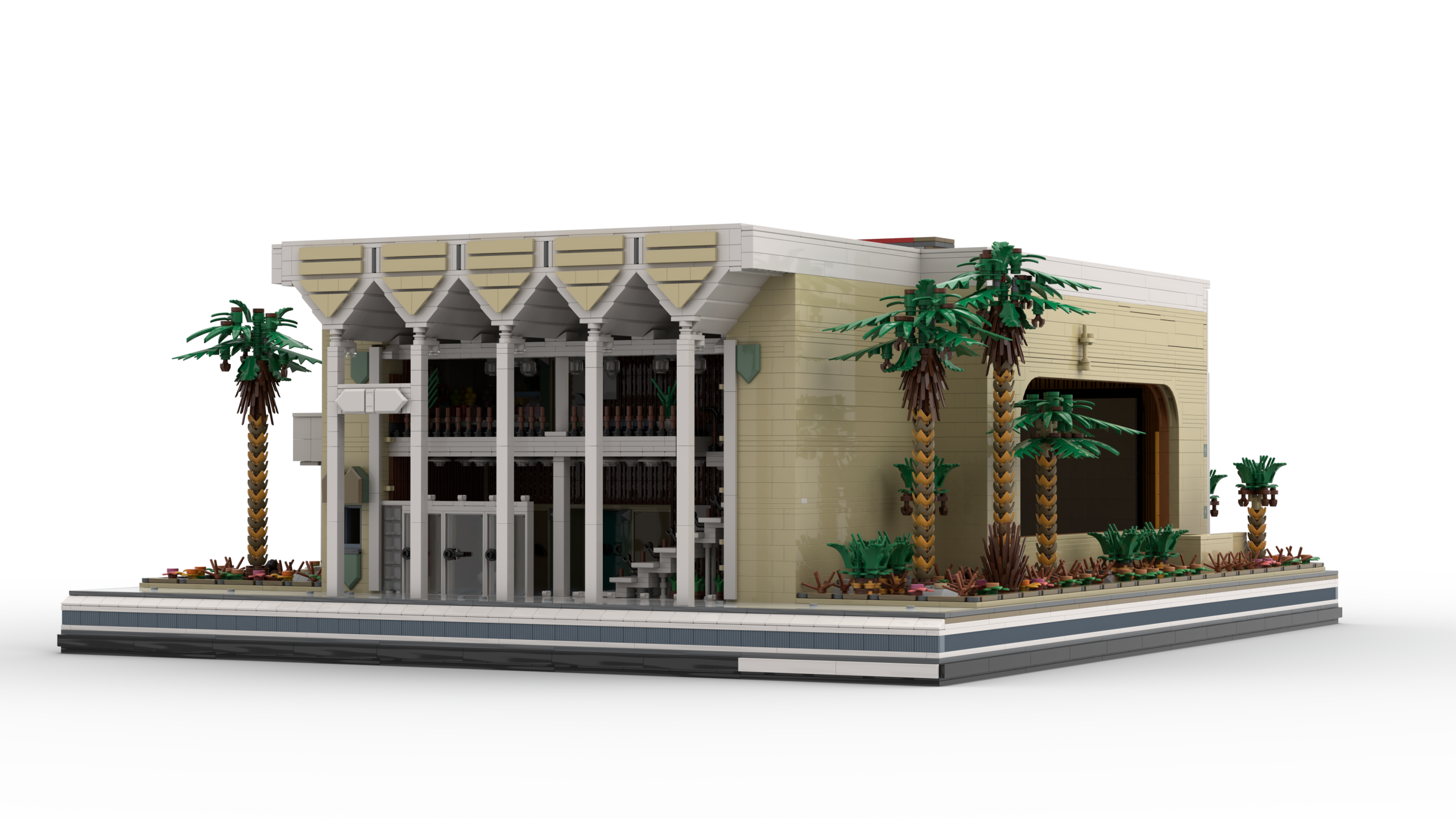
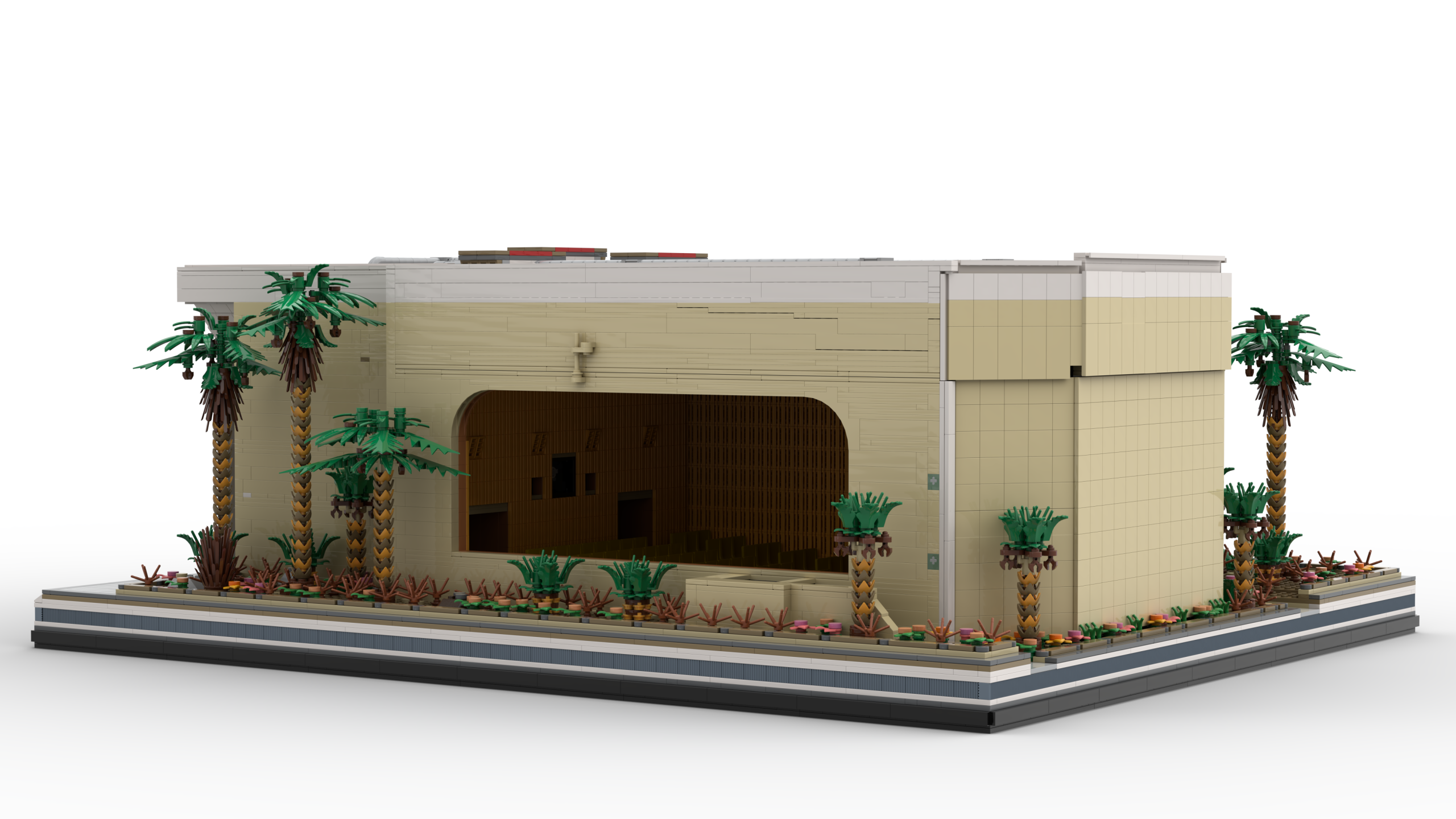
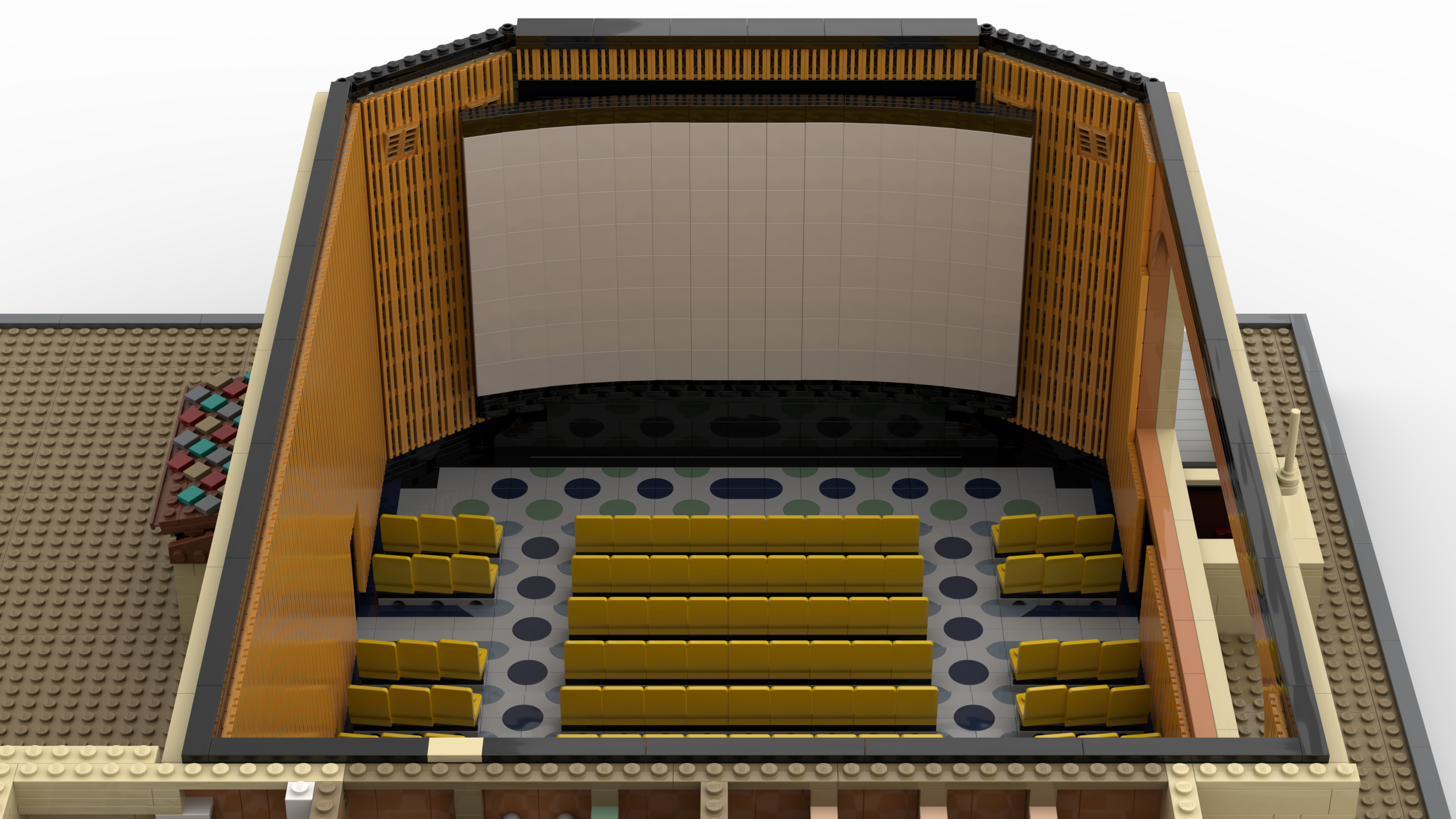
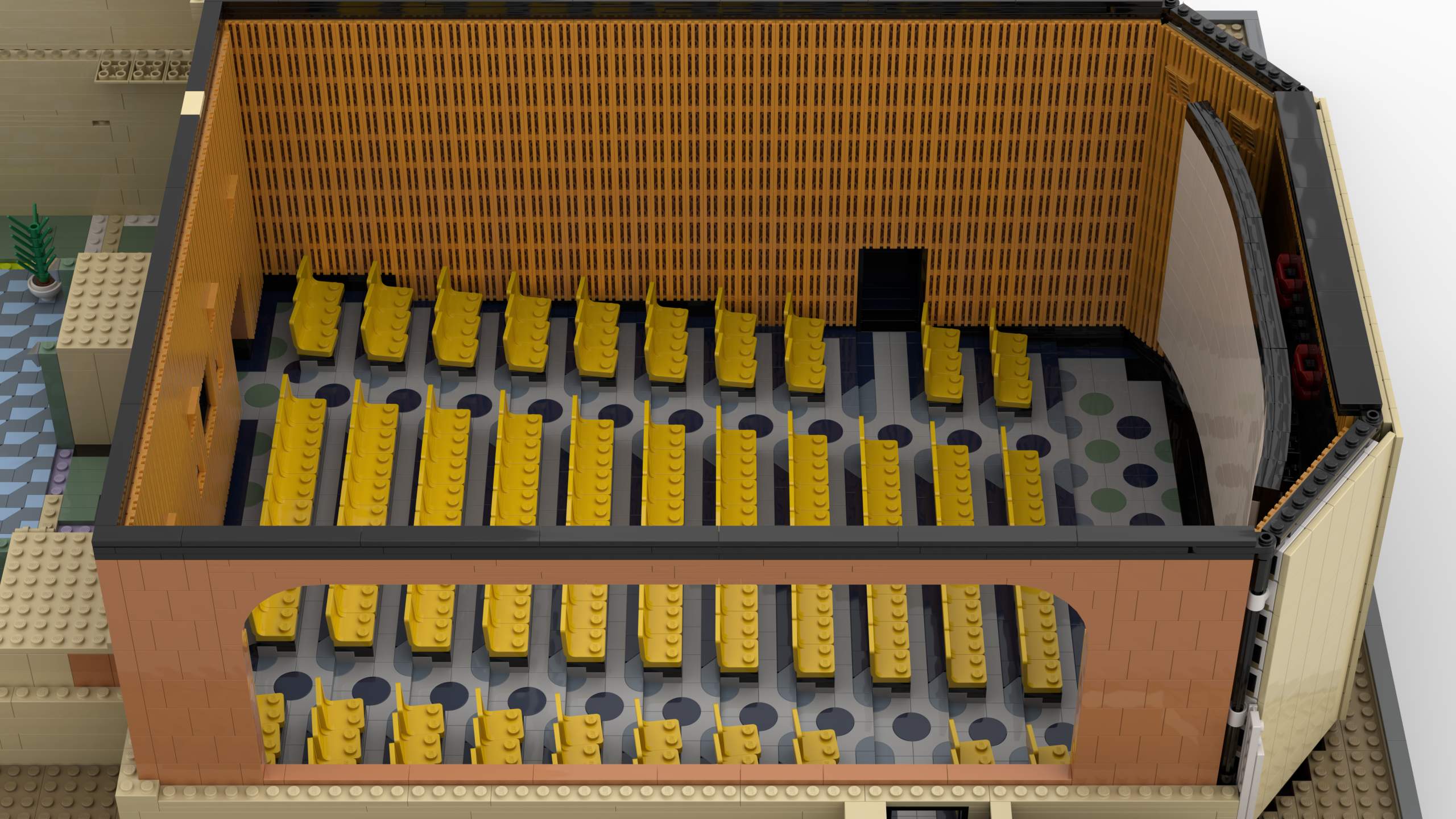
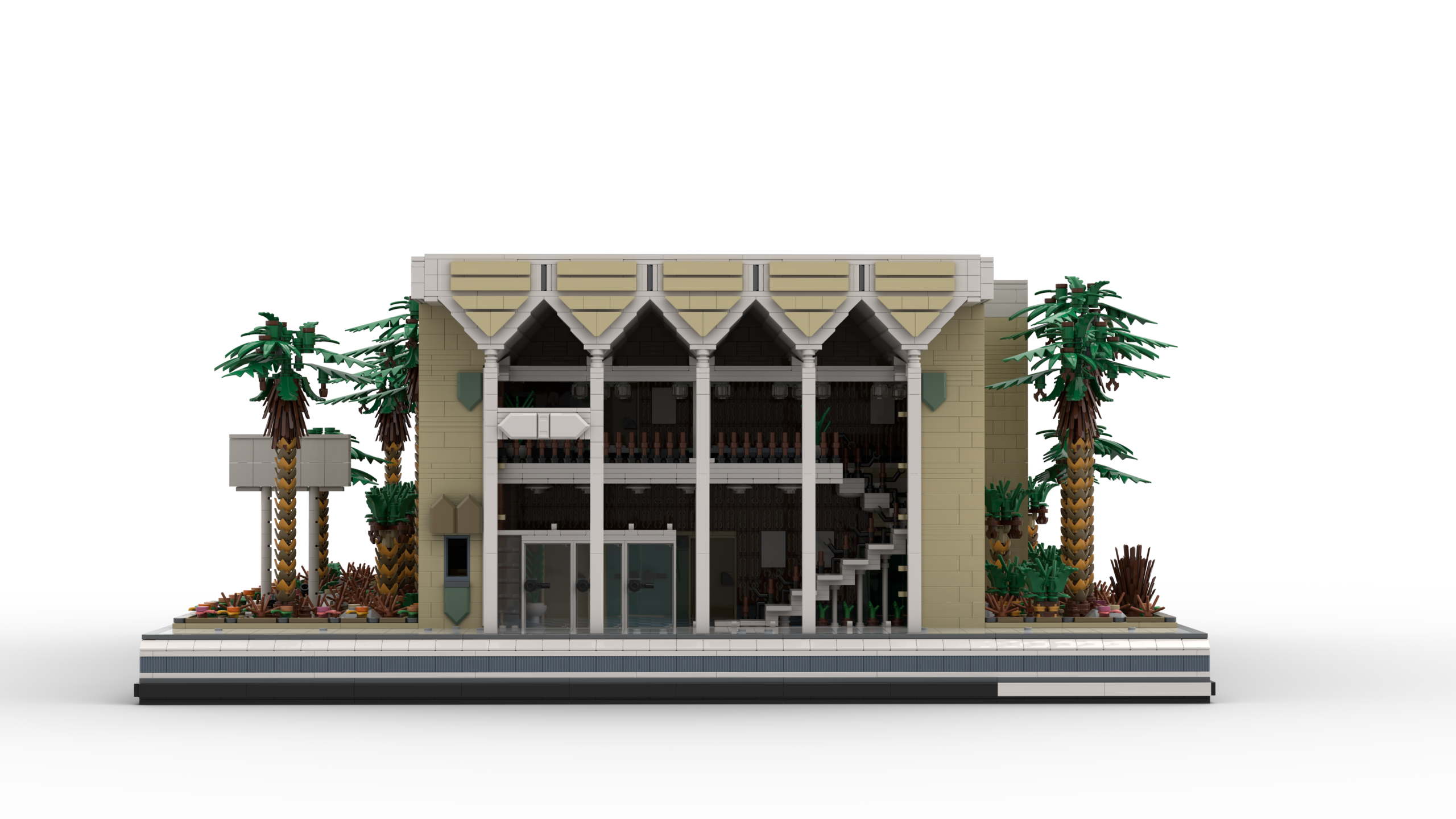
  • In my interpretation, the model has a large opening in the side of the build to showcase the interior of the theater, including the plush seats, velvet draped walls and curved movie screen.

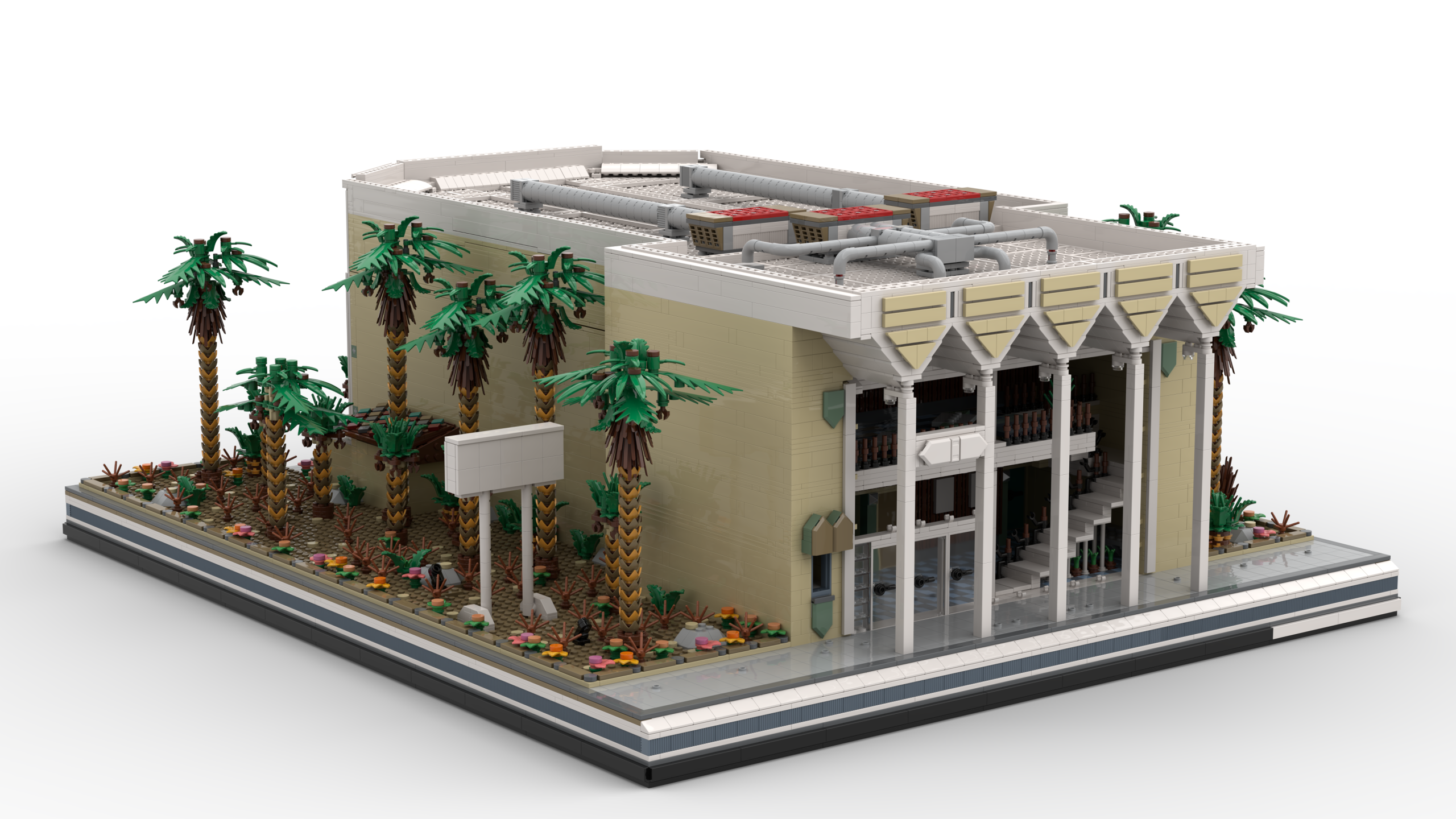
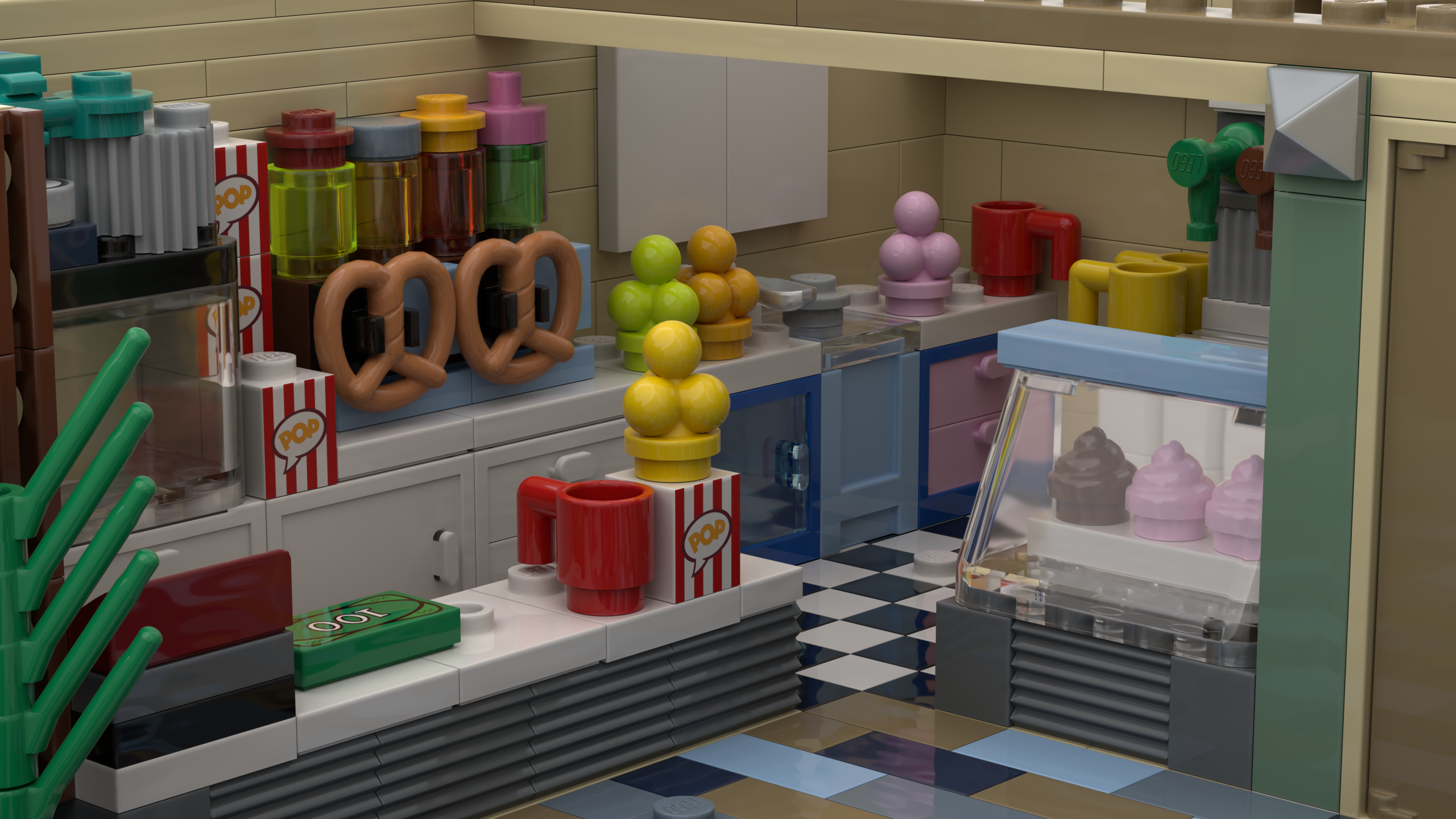
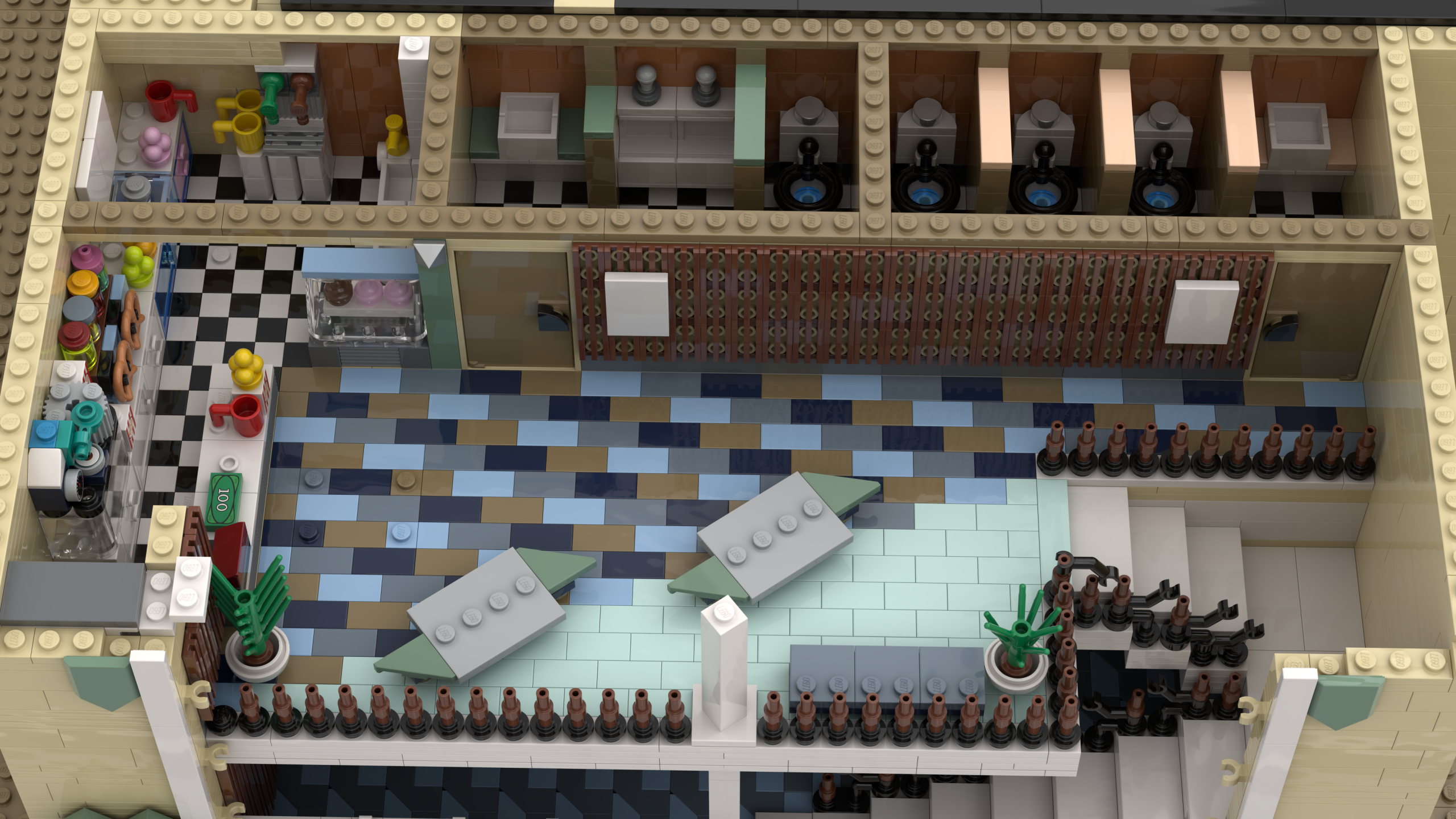
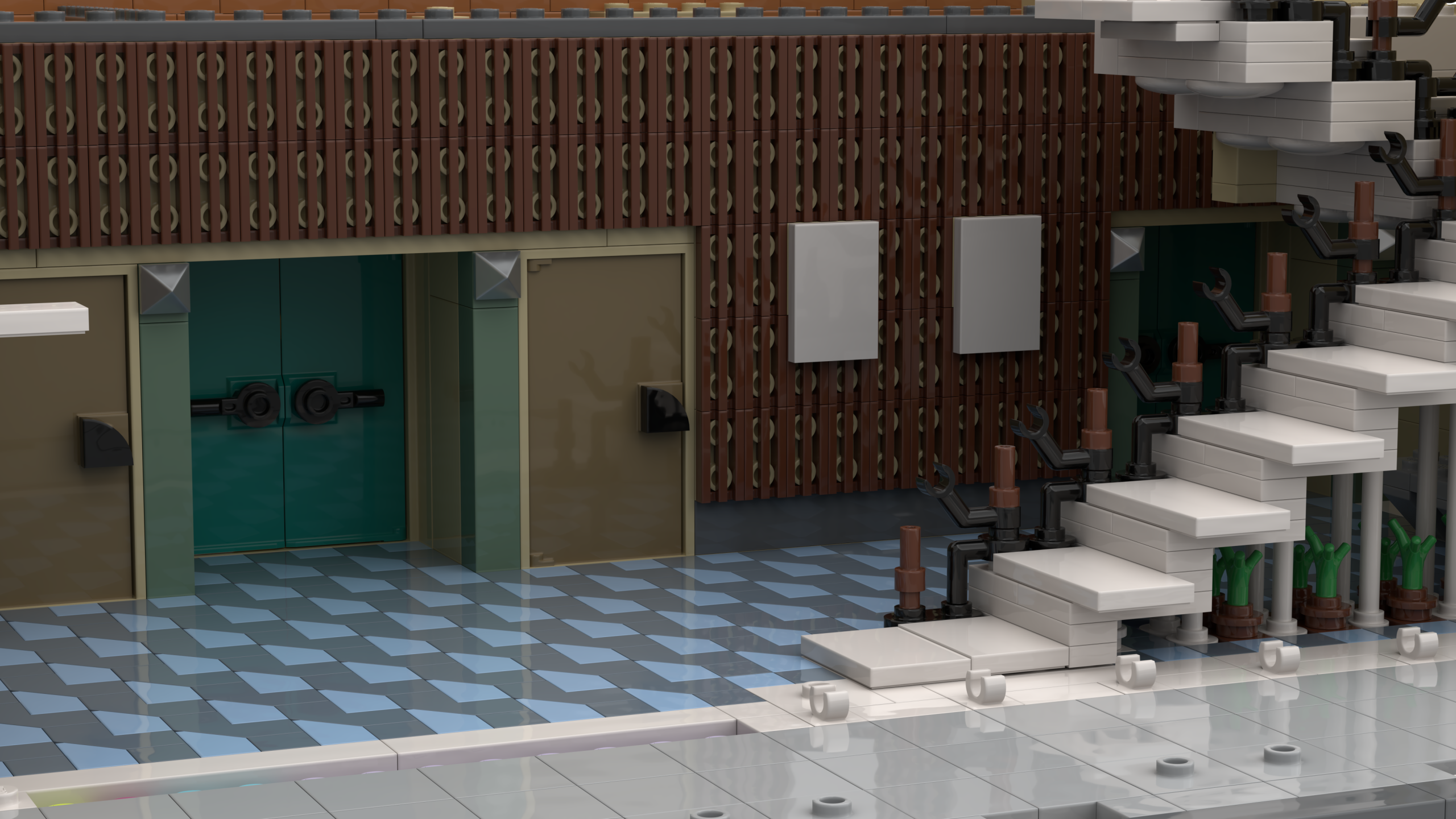
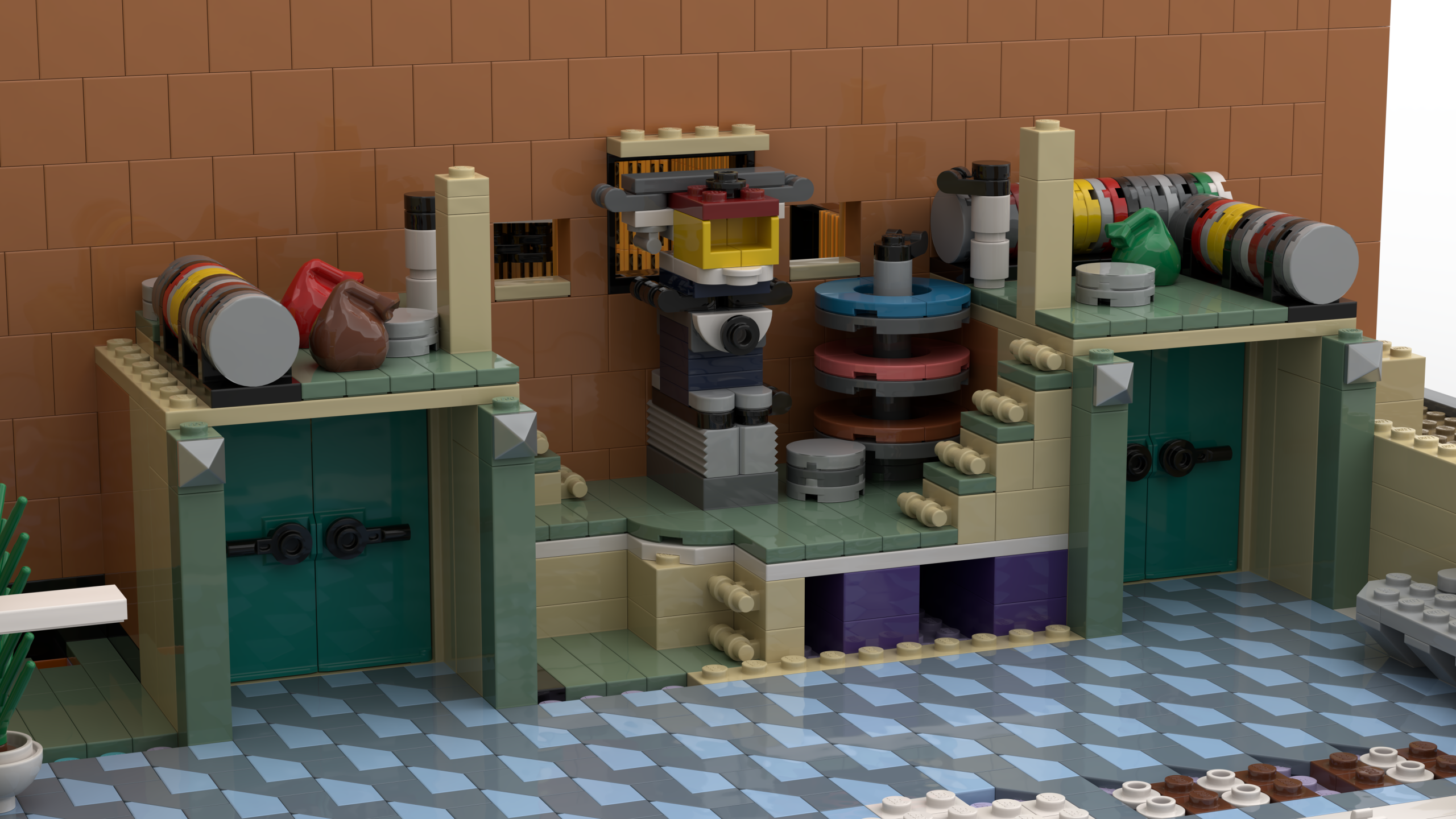
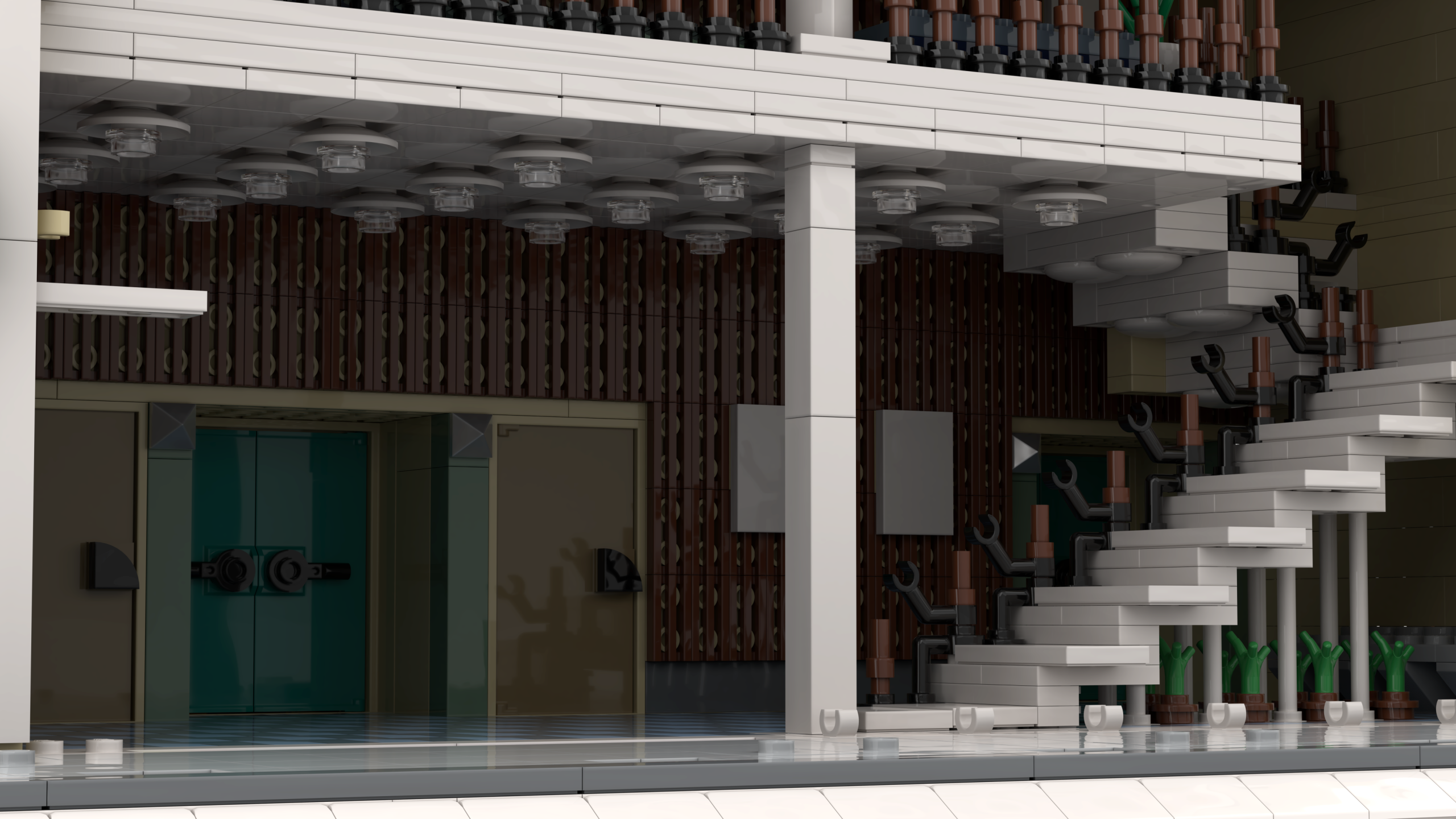
  • The model has an added concession stand on the second floor to reflect trends in ‘less ultra-modern’ theaters at the time.  The lobby contains a reproduction of the original stairs and flooring, along with the small box-office.

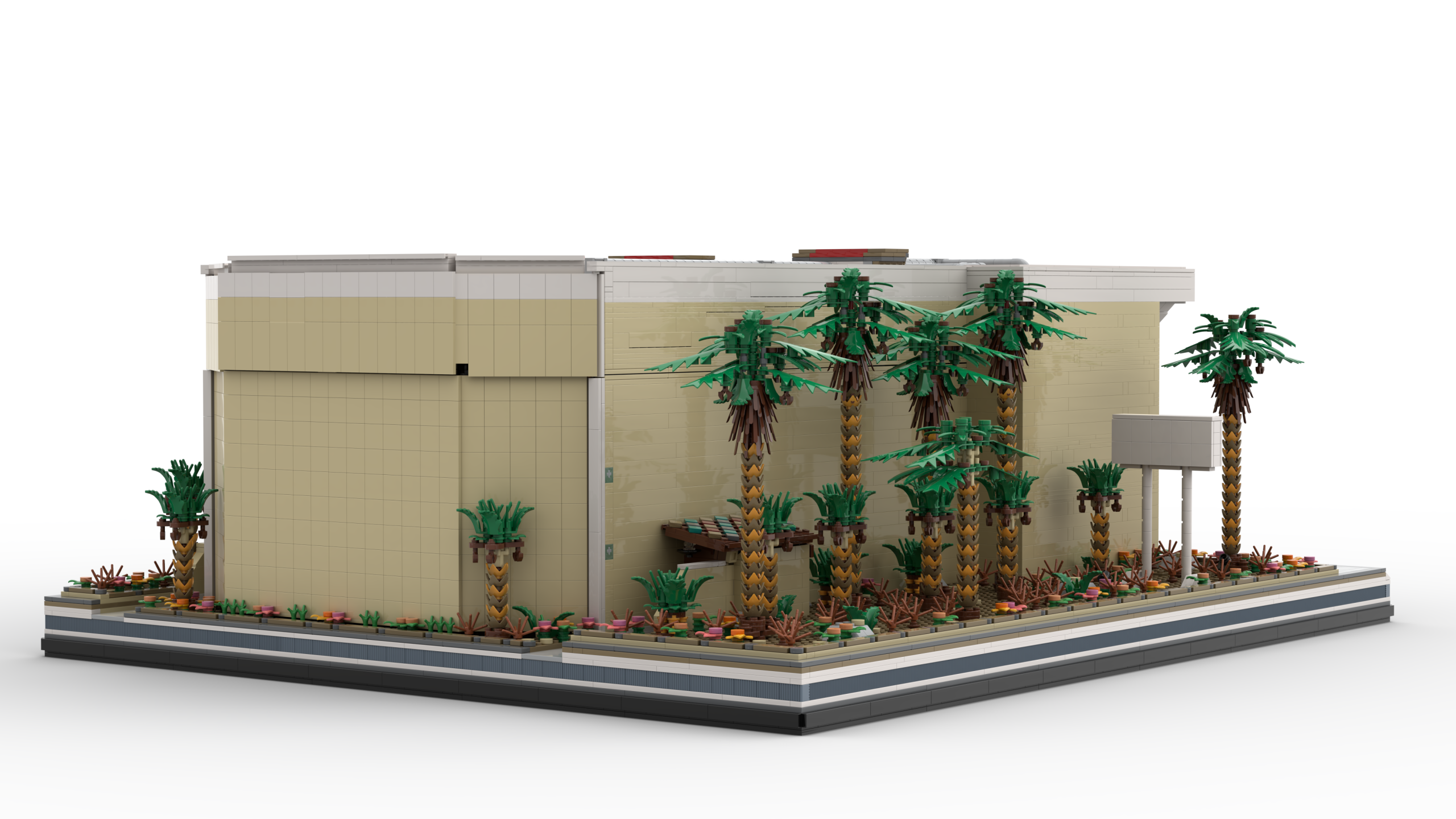
  • Lush landscaping has been added around the building to tie it into the natural beauty of the desert.

  • In the final build, the geometric bays signature glass façade will be recreated using plexiglass and automotive stripping (not shown in renderings).  Vintage movie posters from the first year of operation will be seen in the lobby and second floor gallery.  The outside marque will show the opening night’s film.

[Image Carousel – click image to view zoom]
Share This Story, Choose Your Platform!